
Content Writer Roadmap: A practical, no-fluff guide for beginners to start, learn, and grow in 2025
Table of Contents

Let me tell you a story.
When I wrote my first “serious” blog, I was proudest of it ever. I pressed publish and then sat there at the computer, every five minutes refreshing the page, waiting for readers. Guess what? Nobody read it. Not a single visitor. I was devastated.
That’s when I figured something out: content writing isn’t about typing pretty words. It’s about writing something that actually does something for someone else. The internet isn’t based on effort alone. It’s based on usefulness.
If you’re a newbie and you aspire to be a content writer, you don’t have to be flawless, and you certainly don’t have to try to be some guru. What you require is a clear course, some genuine practice, and the guts to press publish even when it’s not perfect.
This guide is that course. It’s the map that I wished I had when I was just beginning.
1. What Content Writing Actually Is (And isn’t)
Here’s the thing: content writing isn’t about demonstrating how intelligent you are. It’s about using words to solve problems.
Consider the last time you Google something like “how do I unclog a sink.” You didn’t care that the article had huge vocabulary words. You just needed the sink to stop overflowing, okay? That’s the essence of content writing.
Your role as a content writer is to make someone’s life a little bit easier. Sometimes that involves teaching, sometimes convincing, sometimes simply entertaining. But it never involves you. It always involves them.
2. The Skills You Really Need
I once believed writers were born with talent. Either you were born with it or not. That’s simply not the case. Writing is a skill you can develop.
These are the basics:
- Clarity – Say things simply. If a 12-year-old can understand it, you’re doing it right.
- Research – Know how to dig up information and explain it better than the person who wrote it before you.
- SEO basics – Understand what people type into Google and weave those words in naturally.
- Storytelling – Add little stories, examples, and anecdotes so your content doesn’t feel like a lecture.
- Editing – Bury the fluff. No one has the time for nothing walls that lead nowhere.
That’s it. No magic spell. No secret degree. Just practice.
3. How to Begin Learning (Without Overthinking)
Confession: I spent months reading “how to be a writer” tutorials instead of writing. I believed I had to learn everything first. Huge mistake.
Here’s the honest truth: the only way to learn content writing is to write. Terribly at first. Then a little less terribly. Then less terribly yet.
A working plan:
- Read every day. Pay attention to what sorts of headlines catch your eye. Pay attention to what words cause you to pause scrolling.Click here to read Expert Blog
- Copy to learn. Grab an article you enjoy and rewrite it in your own language. This is the way you learn rhythm and flow.
- Write in brief. Blog on LinkedIn, Medium, or even your own journal. No readers? Fine. That translates to no pressure.
- Learn for free. HubSpot, Coursera, even YouTube. Master the fundamentals, then go practice.
The idea is momentum. You write 100 brief pieces and you will learn more than from 10 paid courses.
4. Choosing a Niche (But Not Too Early)
When I first began, I attempted to blog about everything: technology, travel, inspiration, even recipes. I was scattered all over the place. And that’s fine early on. You’re testing.
Later on, however, it’s beneficial to specialize. Why? Because customers are looking for experts. If I own a fitness brand, I’d rather have someone who sleeps, eats, and blogs fitness.
So you do this:
- Begin broad.
- Pay attention to what you like writing about.
- Double down on those.
That’s your niche.
5. SEO Basics (No Jargon, I Promise)
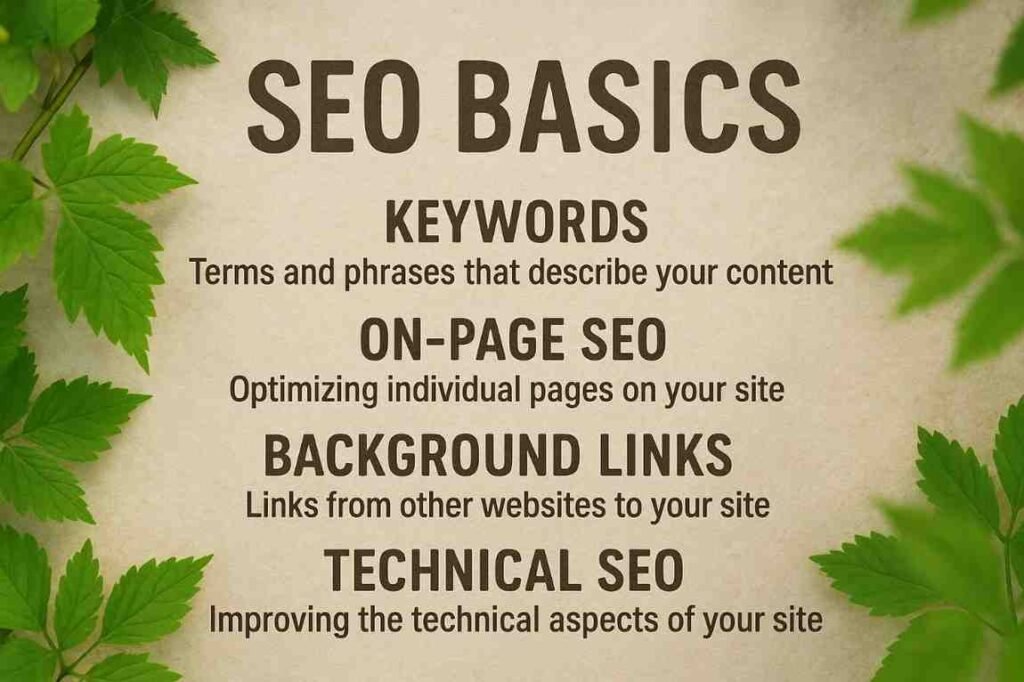
I know, SEO sounds intimidating. But don’t worry, you don’t have to become an SEO wizard in one night. Begin with the baby steps:
- Keywords – These are the actual words people search on Google. Example: “best budget phones 2025.” Use them naturally.
- Headings – Divide your content into H1, H2, H3. Makes it easy to read and easy for Google to understand.
- Links – Put links to your own articles (internal) and reputable sources (external).
- Readability – Short sentences. Plain words. White space. Think about writing for your grumpy future you at 2 am.
That’s as good a starting point as any. The fancy stuff can wait.
6. Building a Portfolio Without Clients

This is the bit that catches newbies out. “But I have no clients yet. How do I provide samples?”
Answer: you don’t wait for clients. You make your own samples.
- Publish 3–5 blog entries on WordPress or Medium.
- Make fake website copy for a brand you enjoy.
- Post on LinkedIn with what you have to say.
- Provide free articles to small businesses or friends.
No one cares if your initial samples are free. They only want to know you can write.
7. Getting Your First Job
I’ll be honest. The first client is like climbing Mount Everest. I recall sending 50 cold emails and receiving just one courteous “No thanks.” But then one small business owner agreed. That little “yes” turned everything around.
Here’s where to begin:
- Freelance platforms: Upwork, Fiverr, Freelancer. Not sexy, but decent for practice.
- Job boards: ProBlogger, Contena, FlexJobs.
- LinkedIn: Post regularly, network with people, DM politely.
- Cold email: Look for a business with a flimsy blog. Volunteer to write a test piece.
Don’t wait for confidence to strike. Confidence follows after taking action, not the other way around.
8. Growing Beyond Beginner Level
After you’ve secured a few jobs, it’s time to level up.
- Specialize in a niche.
- Learn content strategy, not writing.
- Use better tools such as Ahrefs or Surfer SEO.
- Network with other writers (they’ll do the referrals for you).
- Keep writing even when you’re not getting paid.
The more you write, the more proficient you’ll become.
9. Mistakes I Made (So You Don’t Have To)
- Writing in school mode, as opposed to writing like I was conversing with a human being.
- Keyword stuffing until the article read like it was written by a robot.
- Believing I wasn’t “good enough” yet to be considered for jobs.
- Editing so heavily that I never got the blog published.
- Telling myself readers didn’t care about me, they cared about themselves.
You’ll make mistakes too. That’s fine. Just don’t make them twice.
10. The AI Question (Will It Kill Content Writing?)
You’ve probably thought about this. With AI tools everywhere, is there even a future for writers? Here’s my take.
AI is like a calculator. It makes things faster. But it doesn’t replace the human who knows what problem needs solving.
AI can brainstorm, outline, and refine you. But the magic is in your voice, your experience, your life. That’s what people hunger for.
Readers can sniff out mechanical writing. They yearn for real stories, real examples, real humanness. That’s where you are.
Final Words (From One Beginner to Another)
If you take anything away from this guide, make it this: you don’t become a content writer by learning about it. You become one by writing, today, even if it’s terrible.
Begin messy. Begin imperfect. But begin.
I started out with zero readers, zero clients, zero idea what I was doing. If I can do it, you can too.
And who knows—perhaps someday a novice will pick up your writing and not be so alone in the journey. That’s the true victory.
Click here to read more Insightful Articles