
Table of Contents
Artificial Intelligence is no longer some distant sci-fi idea in content writing. It is here, and it is already writing blog posts, social captions, and emails. For many businesses, it feels like a lifesaver. Instead of spending hours drafting content, you can now generate something in seconds.
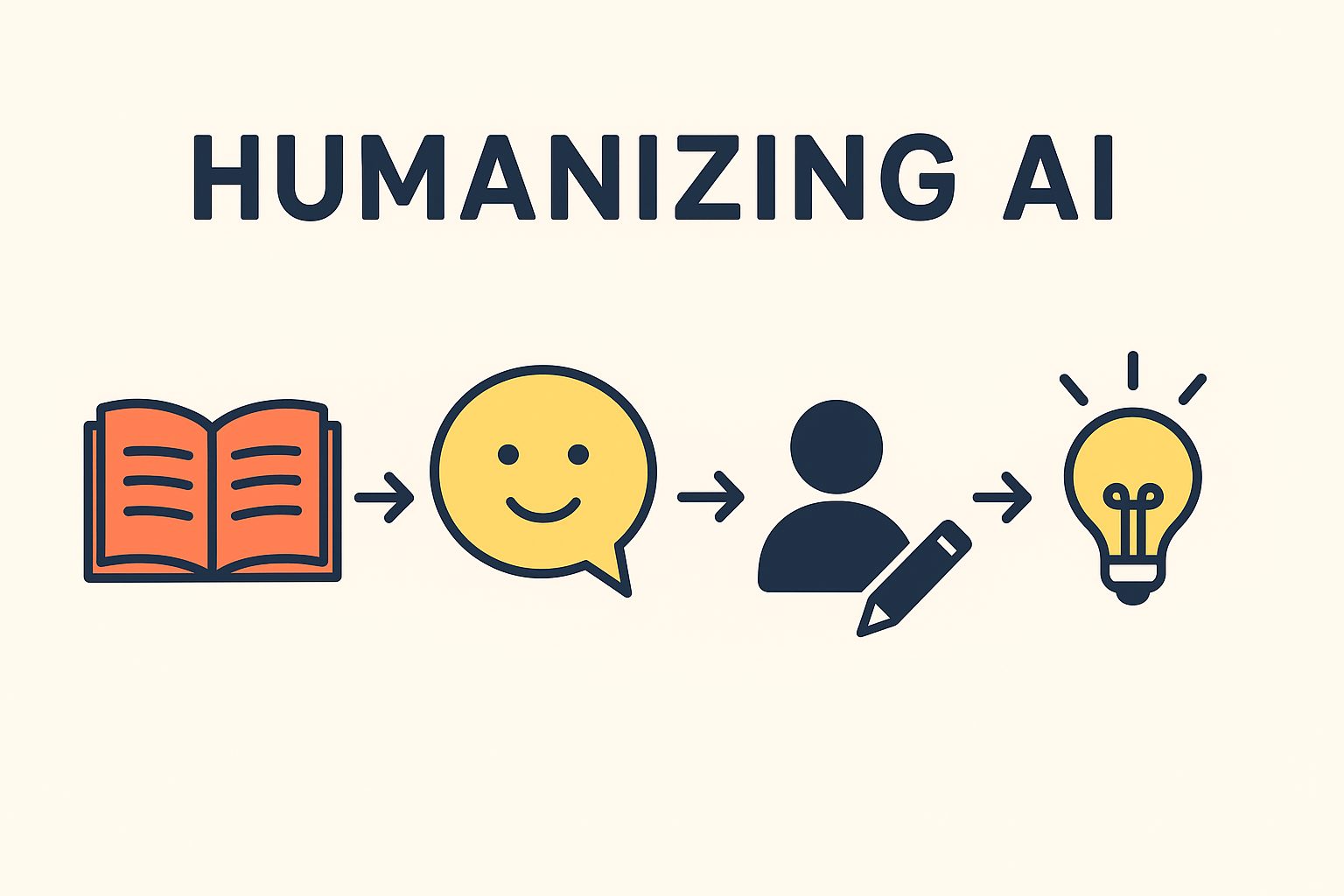
But here is the uncomfortable truth. Raw AI writing feels empty. It is clean, polished, and almost too perfect. The grammar is flawless. The structure is solid. Yet it lacks one thing that readers crave more than anything: humanity.
Readers are not just looking for facts. They want connection. They want to feel something when they read. That is why humanizing AI-generated content matters more than ever.
Why AI Writing Often Feels Hollow
AI is built to predict words based on patterns. That makes it brilliant at structure but terrible at lived experience. It does not know the sting of a failed campaign, the joy of a small win, or the anxiety of hitting publish on something you are not sure about.
I once read an AI-generated article on productivity hacks. It covered everything: time blocking, Pomodoro, deep work. It was technically perfect. But halfway through, I realized I wasn’t connecting at all. It felt like I was scrolling through a manual. The information was fine. The soul was missing.
That is the problem. Content without a human touch is forgettable.
My First Wake-Up Call
When I first tried using AI to write, I was blown away. I gave it a prompt, and within a minute, I had a full blog draft. For someone who had stared at blank screens for hours before, it felt like magic.
But when I sent the draft to a friend, their response cut through me.
“It doesn’t sound like you.”
They were right. The words were tidy but soulless. None of my quirks, none of my voice, none of my stories were there. That was the day I realized AI can give you a skeleton, but it is your job to add the heart.
5 Brutally Honest Ways to Humanize AI Writing
Here is what I have learned after messing up plenty of times.
1. Tell Tiny Stories
AI can spit out facts, but it cannot live your life. Stories are what stick.
I remember my very first marketing campaign. I spent weeks polishing it, convinced it would take off. It bombed. At the time, I felt crushed. But when I shared that story in a later post, people reached out to say, “I’ve been there too.” That moment of honesty connected far more than any list of strategies ever could.
Even funny mistakes matter. Like the time I accidentally sent an email with “Hellloooo” in the subject line. Mortifying, yes. But when I told the story later, people laughed and admitted they had done worse.
Table 1: Examples of Flat AI-Generated Lines vs. Humanized Story Versions
| Flat AI-Generated Line | Humanized Story Version |
|---|---|
| “Consistency is important in content writing.” | “Back when I started blogging, I posted three times a week for two months straight—and that routine alone doubled my traffic.” |
| “Customer trust is essential for brand growth.” | “A client once told me they chose my service over a cheaper option simply because they felt I was honest in my emails. That trust was priceless.” |
| “Learning from mistakes improves strategy.” | “My first marketing campaign completely flopped—I spent weeks on ads that brought zero sales. That failure taught me more than any course ever could.” |
| “Engagement helps build community.” | “I still remember the first time someone replied to my newsletter saying my story about burnout made them feel less alone. That one reply sparked a loyal community.” |
Table 1: Examples of Flat AI-Generated Lines vs. Humanized Story Versions.
2. Keep It Conversational
AI loves stiff, formal language. Readers don’t. They want something that sounds like a real person.
Instead of writing, “Consistency is essential for maintaining brand trust,” I write, “Show up often enough so people know you are still here. That is how trust builds.”
The first sounds like a textbook. The second sounds like a friend.
If you are not sure whether your writing feels natural, read it out loud. If it makes you cringe, rewrite it.
3. Add Emotion
AI does not get nervous before posting. You do. AI does not feel joy when a blog takes off. You do.
That is the difference. The most powerful content comes from owning those feelings.
I once admitted on LinkedIn, “I almost didn’t post this because I thought it wasn’t good enough.” That single sentence of honesty got more engagement than the rest of the post combined. Vulnerability resonates because it is human.
So if you felt nervous, say it. If you were excited, admit it. Readers do not just want information. They want to feel alongside you.
4. Edit for Voice, Not Just Grammar
AI is flawless with grammar. But grammar alone does not make writing worth reading.
The first drafts I get from AI often feel like a lecture. Long sentences. Predictable flow. Perfect but lifeless.
When I edit, I don’t just clean up typos. I reshape the rhythm. I cut sentences in half. I add pauses. I even leave fragments in sometimes because they feel real.
The goal is not polished perfection. The goal is to sound alive.
5. Share Insights, Not Just Facts
AI can summarize a thousand articles. But it cannot form an opinion. It cannot reflect on what worked for you and what failed. That part is yours.
AI might say, “Posting daily improves social media reach.” My insight? Daily posting burns people out. In my experience, consistency matters more than volume. Twice a week done well is better than seven days of noise.
That difference is everything. Insights make content memorable.
| Scenario | AI Fact | Human Insight |
|---|---|---|
| Social Media Posting | “Posting daily increases visibility and reach.” | “Daily posting burnt me out. My audience responded better when I slowed down to 2-3 thoughtful posts a week.” |
| Email Marketing | “Personalized subject lines improve open rates.” | “I once added a casual typo (‘Hellloooo’) by mistake. Surprisingly, that email had one of my highest open rates because it felt human.” |
| Content Length | “Long-form blogs (1500+ words) perform better for SEO.” | “Some of my shorter 600-word posts sparked more comments and shares because they were quick, punchy, and easy to digest.” |
| Consistency | “Consistency builds brand trust.” | “I disappeared for a month once. When I came back and honestly explained why, my readers welcomed me back even more warmly.” |
| Storytelling | “Stories increase engagement and retention.” | “When I shared my first failed marketing campaign, people related deeply. The vulnerability made them trust me more.” |
Table 2: AI Facts vs. Human Insights in Real Content Scenarios.
Where Brutal Honesty Meets AI
AI is not here to replace writers. It is here to assist them. Think of it as the quiet assistant who drafts, organizes, and gives you raw material. But don’t confuse raw material with the finished product.
Because readers don’t care about perfectly polished lines. They care about whether your words feel alive. They care about your stories, your stumbles, your weird way of phrasing things. They care about the human behind the text.
And here is the uncomfortable truth: if you publish AI text without adding yourself, people will scroll right past. Not because it is bad. But because it does not feel like anyone is talking to them.
A Final Reflection
The real challenge of content writing today is not whether AI can write. It can. The challenge is whether you are willing to step in and humanize it.
Your voice matters. Your stories matter. Even your flaws matter.
So yes, use AI. Let it save you time. Let it beat writer’s block. But never forget to add yourself back in.
Because at the end of the day, readers do not connect with robots. They connect with humans. And that means the most valuable thing you can add to any AI draft is you.
Want to Read More similar Articles, click here